How to Reduce eBay Fees UK 2026: 10 Legit Ways to Pay Less
Ten legitimate ways UK sellers can pay eBay less in 2026, with the sums worked out, plus the fee 'hacks' that break eBay's rules. Checked against eBay's UK fee and policy pages on 17 October 2026.
As a business seller you can't legitimately avoid eBay's final value fee: the 11.9% in Clothes, Shoes & Accessories, or your own category's rate, is charged on every sale, postage included. Moving to a private account isn't a way round it, because eBay requires a business account once you buy to resell or make things to sell.
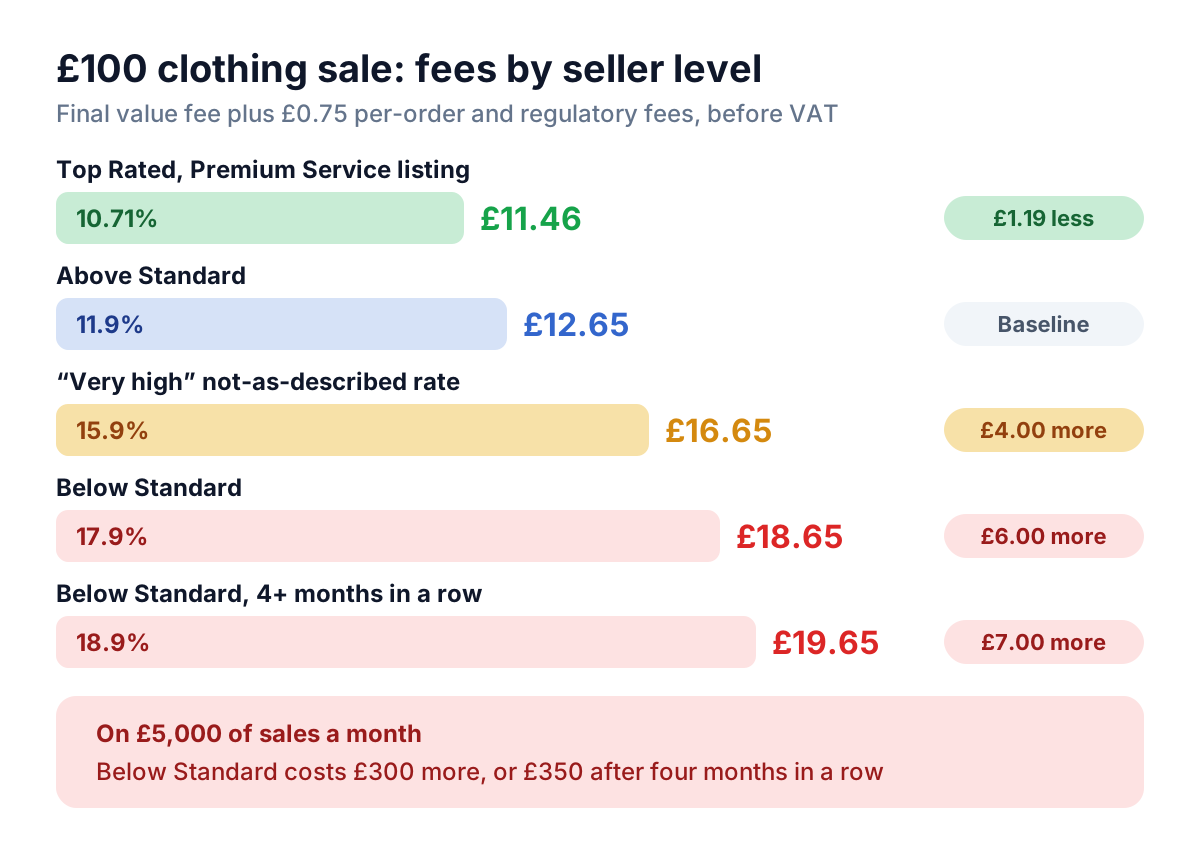
What you can do is pay less. Top Rated Sellers get 10% off the variable fee on Premium Service listings, staying out of Below Standard avoids a 6-point surcharge, and Shops, eBay International Shipping, fee credits and VAT reclaim cut the costs around it.
Here are the 10 legitimate ways, checked against eBay's UK fee and policy pages on 17 October 2026, with business fees before VAT as eBay quotes them. For every rate by category, see our complete eBay UK fees guide; to test a single sale, use the eBay fee calculator.
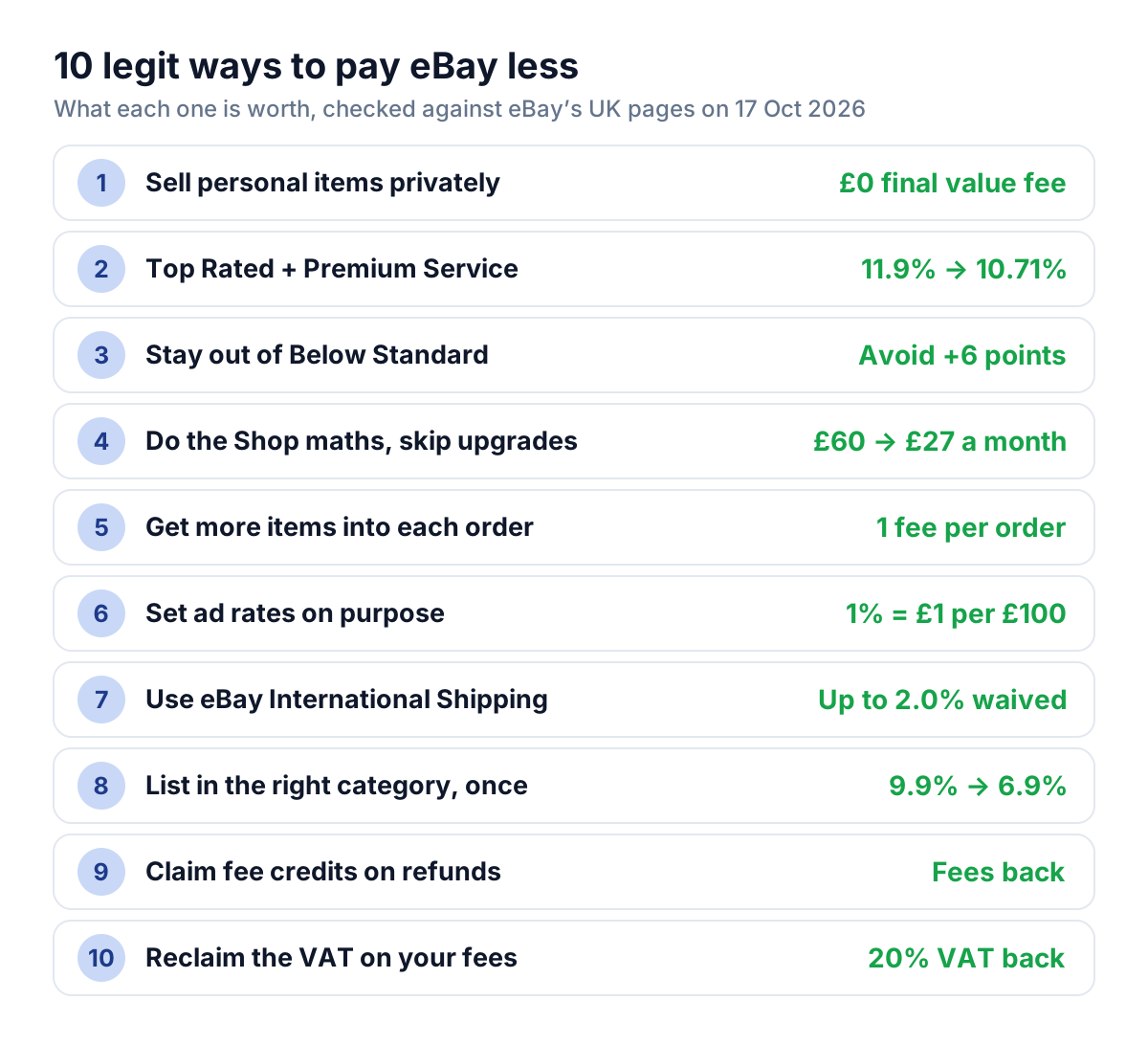
1. Sell personal items as a private seller, and only those
UK private sellers pay no final value fee or regulatory operating fee in any category except Cars, Motorcycles & Vehicles. The buyer pays eBay a Buyer Protection Fee instead. Our private seller fees guide covers the few charges that remain.
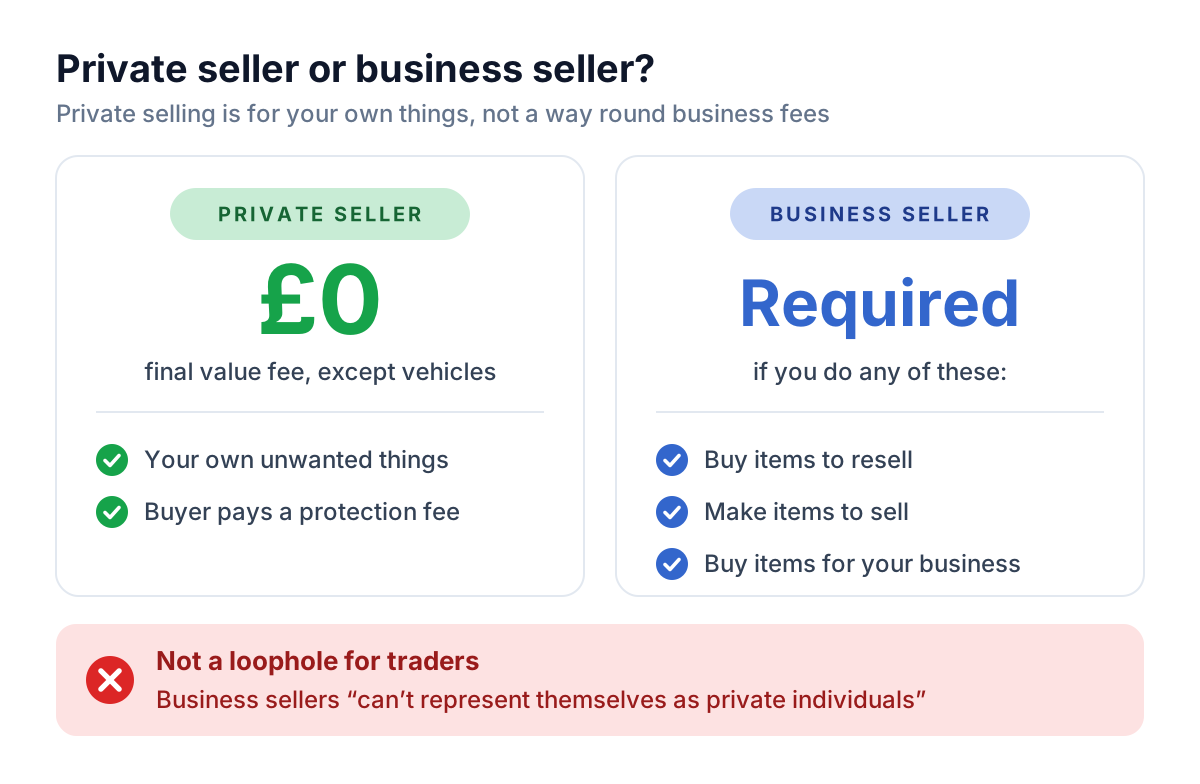
It isn't a loophole for traders. eBay's business seller policy says you must register as a business if, for example, you sell items you bought to resell, make items to sell or buy items for your business, and that business sellers "can't represent themselves as private individuals".
If you switch, listings that sell afterwards pay business fees, even ones you created as a private seller. HMRC's separate trading test is covered in our guide to selling on eBay before paying tax.
2. Earn Top Rated status and list with Premium Service
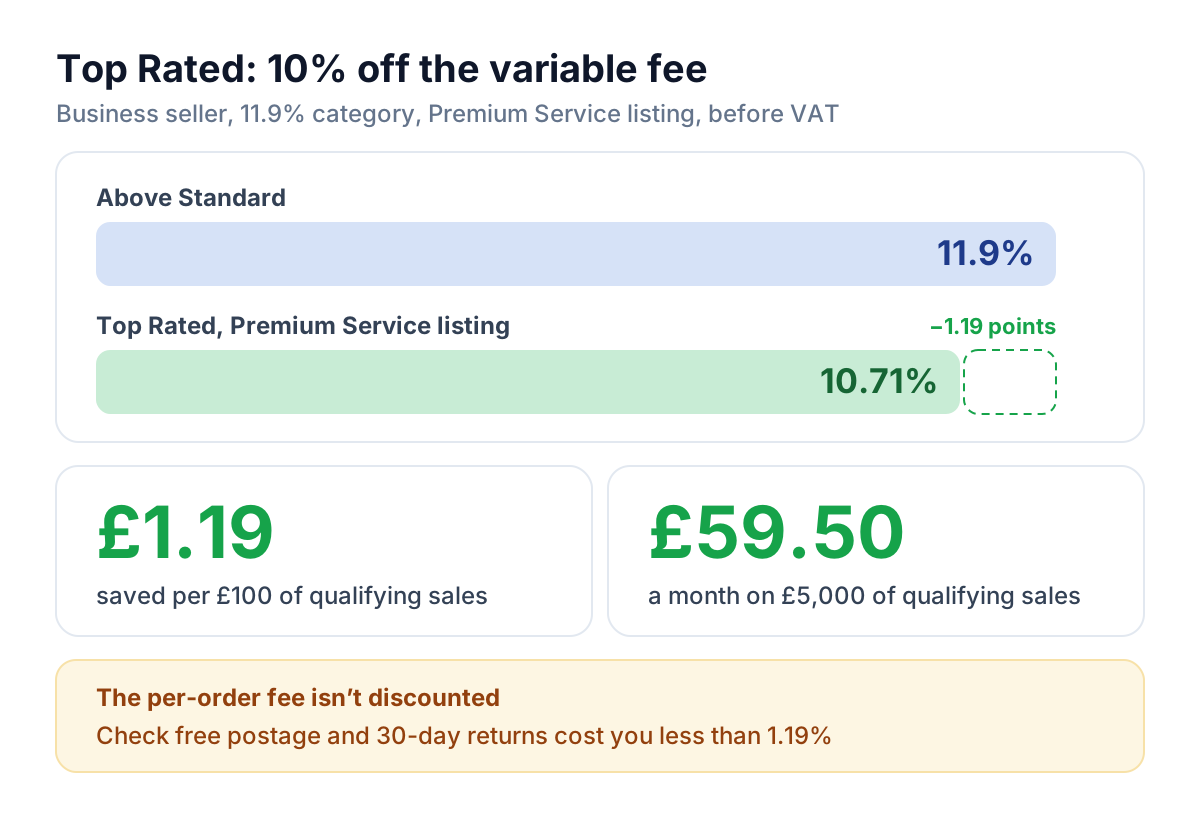
eBay Top Rated Sellers get 10% off the variable part of the final value fee on eBay Premium Service listings on eBay.co.uk, though not off the per-order fee. In an 11.9% category that makes the rate 10.71%.
What Top Rated status needs
eBay's seller standards policy sets the bar for eBay.co.uk:
- A business account on eBay.co.uk (or eBay.ie), active for at least 90 days
- At least 100 transactions and £1,000 in sales with UK and Irish buyers in the last 12 months
- A transaction defect rate of no more than 0.5%, involving no more than 3 different buyers
- No more than 2 cases closed without seller resolution (or 0.3%), and no more than 5 late deliveries (or 3%)
- Compliance with eBay's selling practices policy
What each Premium Service listing needs
eBay's Premium Service page lists four conditions:
- A free UK delivery option arriving within 3 working days
- An express option arriving within 2 working days, for no more than £10
- 30-day returns with a UK return address
- Tracking uploaded within your dispatch time on items over £20 (the Seller Centre says £20 and above, so track from £20)
Free postage and 30-day returns aren't free to offer, so check they cost you less than the 1.19% the discount saves.
3. Stay out of Below Standard and the INAD surcharge
If your seller level is Below Standard on the 20th of a month, eBay adds 6 percentage points to the final value fee on the whole of every sale the following month, and you can't use Promoted Listings. After four or more consecutive months it's 7 points, until you're back to Above Standard.
Separately, a "Very high" item-not-as-described rate in a category adds 4 points on the next month's sales there, or 5 after four or more consecutive months, unless fewer than 10 such requests were opened or your rate there is under 1%.
How to stay above the line
- Defects: the seller standards policy allows up to 2%, and you're only rated Below Standard if the defects involve more than 4 different buyers. A defect is an order you cancel unexpectedly, for example because it was out of stock, or a buyer's reported issue you don't resolve.
- Cases: no more than 2 closed without seller resolution, or 0.3% of transactions, whichever is higher.
- Late deliveries alone won't make you Below Standard, but post on time with tracking anyway.
- Stock: keep counts accurate so you never cancel for being out of stock.
4. Cut listing fees: do the Shop maths and skip paid upgrades
Without a Shop, business sellers pay 30p for every fixed-price or auction listing, again each month a Good 'Til Cancelled listing renews, and again every time they relist. A Shop swaps that for a monthly fee and a free allowance.
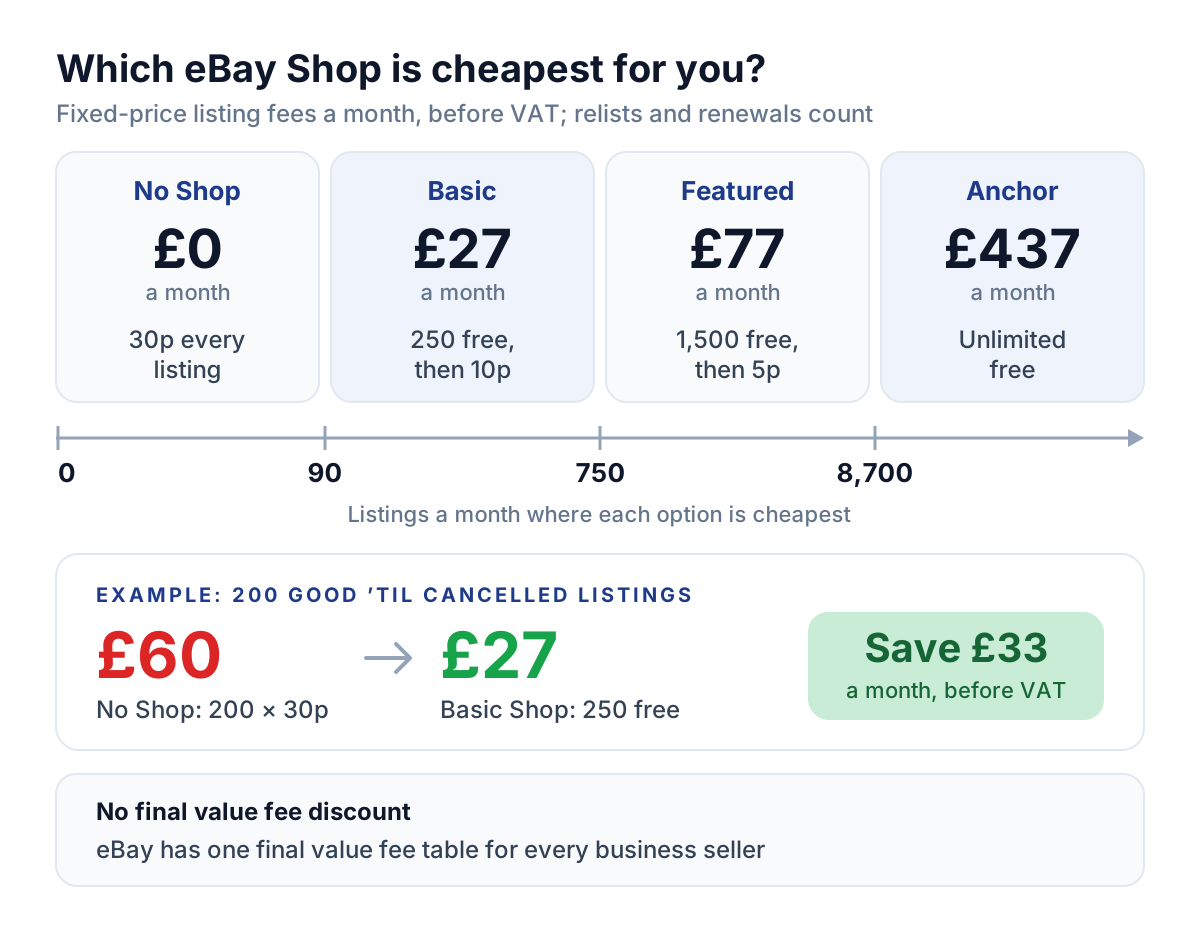
On fixed-price listing fees alone, no Shop is cheapest up to 90 listings a month (90 × 30p = £27), then Basic up to 750, Featured up to 8,700 and Anchor beyond. With VAT, the 200-listing example is £72 a month without a Shop against £32.40 for Basic.
Auctions change the sums: the three tiers include 100, 600 and 1,000 free 7-day auctions, then 15p each. Check your own mix in the eBay Shop tier calculator. And don't expect a lower commission: eBay's business fee page has one final value fee table, with no Shop-tier rates.
Drop the paid upgrades you don't need
- Subtitle, £2: charged again every month a Good 'Til Cancelled listing renews, so £24 a year before VAT.
- Gallery Plus, £2.50: also charged on every renewal, and already free in Clothes, Shoes & Accessories, Home, Furniture & DIY and Pet Supplies.
- Reserve price, 4% of the reserve (capped at £150): charged whether or not the item sells. Starting the auction at your lowest acceptable price costs nothing extra.
- Dead listings: end Good 'Til Cancelled listings that haven't sold in months. Each renewal uses a free listing or costs up to 30p, plus any upgrades.
5. Get more items into each order
The per-order fee is £0.30 on orders of £10 or less and £0.40 above, charged per order, not per item. eBay defines an order as "any number of items purchased by the same buyer at checkout with the same shipment method", so every order folded into one checkout saves a fixed fee.
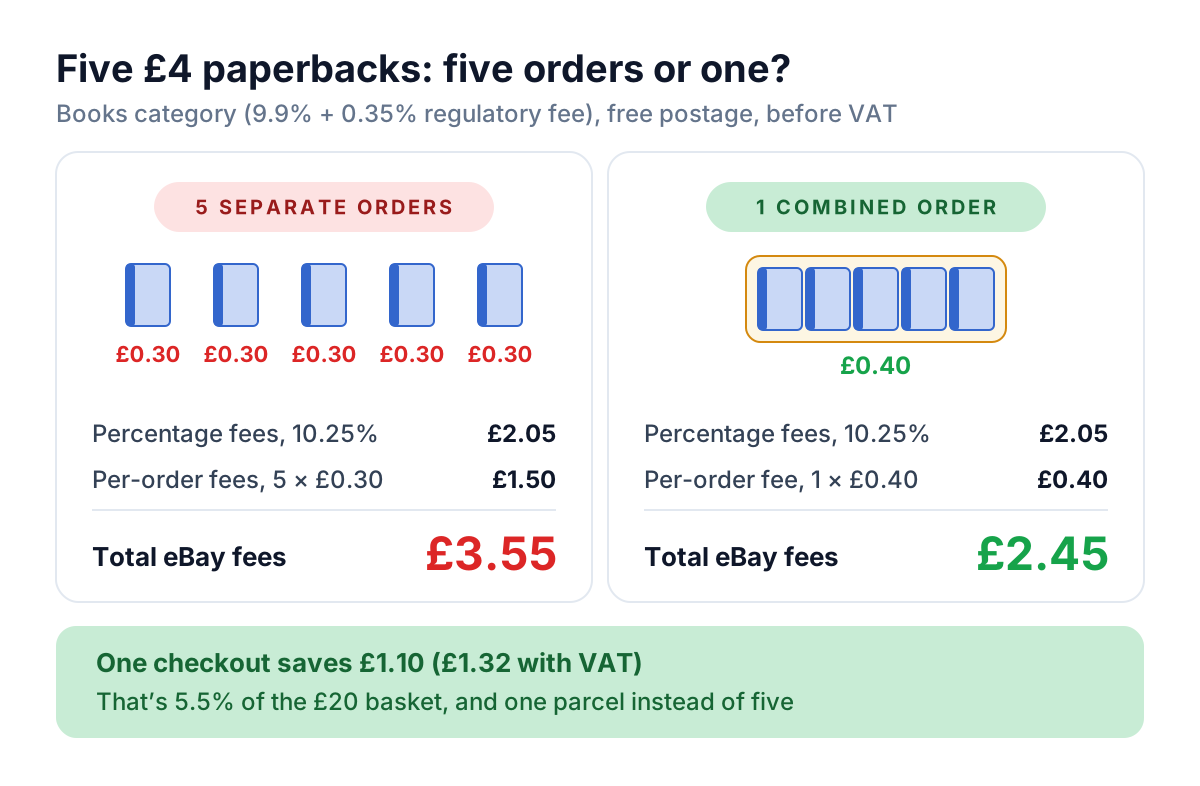
eBay's combined postage rules and opt-in bundle discounts, a percentage off 2, 3, or 4 or more items, both encourage buyers to check out together. Just don't discount purely to save a fee: 10% off a £20 basket costs £2, more than the per-order fees it saves.
The 10p per-order fee in Collectables and Home, Furniture & DIY
Orders of up to £10 pay a reduced 10p per-order fee on listings created on or after 1 February 2022 in selected Collectables categories, or on or after 19 April 2022 in Home, Furniture & DIY. It applies automatically, but only to items that genuinely belong in those categories (see way 8). Listings created before those dates pay 30p.
6. Set Promoted Listings rates on purpose
Ad fees are the one cost you set yourself. On a general campaign you pick an ad rate from 2% to 100% of the total sale, postage included. You pay it if the item sells within 30 days of a click on its ad by any buyer, not just the one who buys, provided it's still promoted when it sells.
Business sellers pay VAT on top, and priority campaigns charge for every click, sale or not.
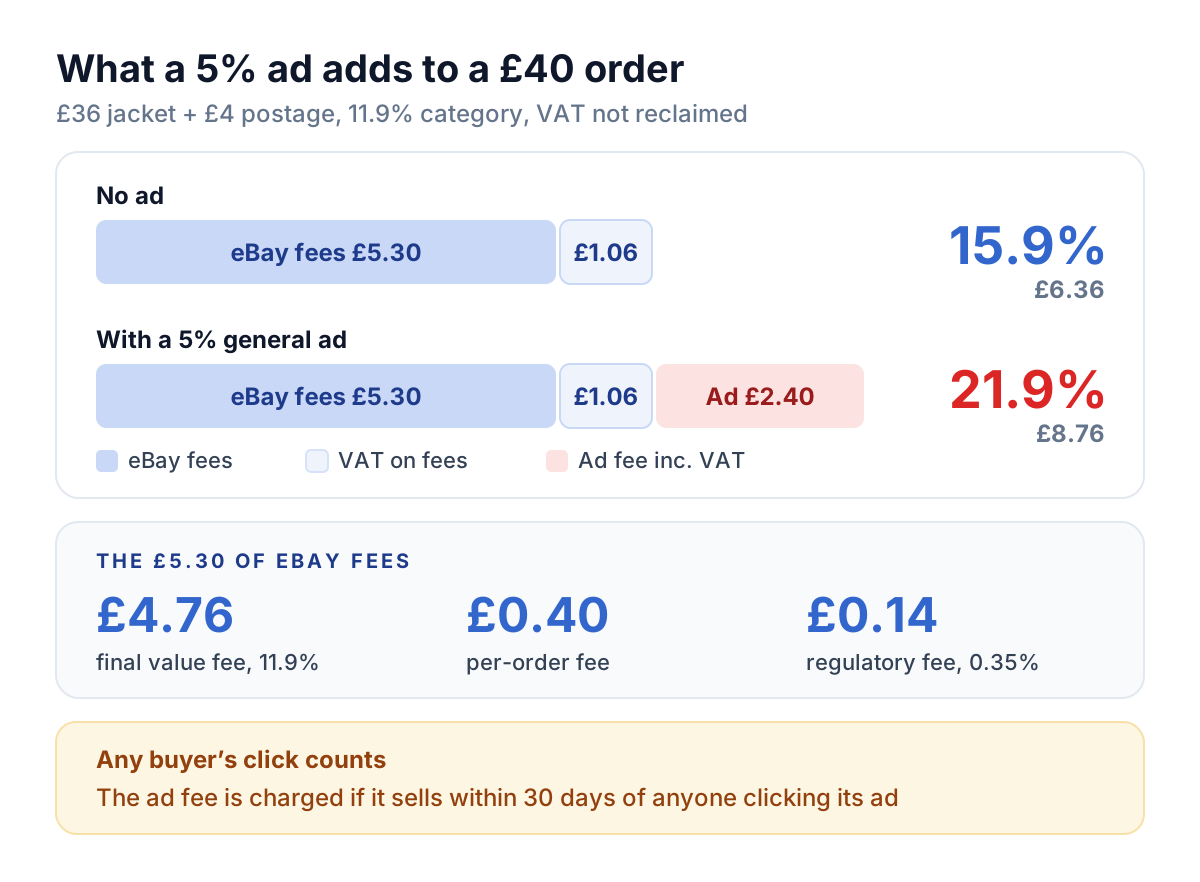
The ad pays only if it brought a sale you'd otherwise have missed, and with any-buyer attribution you can be charged on a sale to someone who never clicked it.
Promote only the listings that need visibility, use lower rates on items that sell without help, and judge campaigns on profit after the ad fee. Our Promoted Listings guide shows how to measure that.
7. Send overseas orders through eBay International Shipping
Business sellers pay an international fee on the total sale when the buyer's delivery address is outside the UK: 1.05% for the Eurozone and Northern Europe (Denmark, Finland, Iceland, Norway and Sweden), 1.8% for the US and Canada and 2.0% elsewhere. Private sellers pay 3%.
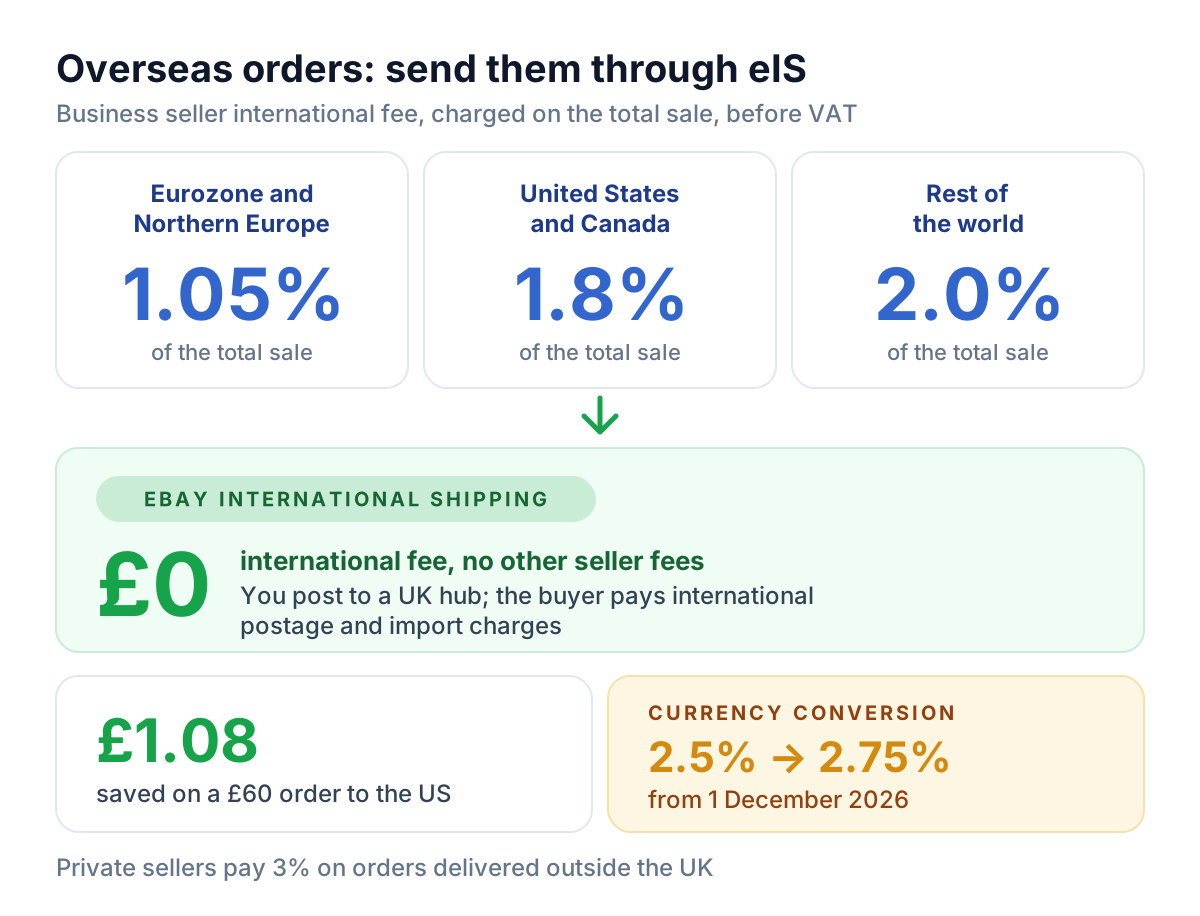
On orders sent through eBay International Shipping (eIS) that fee is waived and eBay adds no other seller fees. You post to a UK hub and the buyer pays the international postage and import charges, so a £60 order to the US saves £1.08 before VAT.
- Who's in: eIS is replacing the Global Shipping Programme, enrolling sellers in phases since August 2026, for items located in the UK, listed on eBay.co.uk and worth up to £900, with some categories excluded.
- Private sellers: eBay doesn't say whether private accounts are included, so you can avoid the 3% by offering UK postage only.
- Currency conversion: when eBay converts the money for an item listed or sold on another eBay site, such as eBay.de, it keeps 2.5%, rising to 2.75% on 1 December 2026.
Our eBay International Shipping guide has the detail.
8. List in the right category, once
Your final value fee follows the category the item belongs in, so choosing a cheaper one isn't an option. eBay's fee avoidance policy bans "listing items outside of the correct category", intentionally or not, with penalties up to account suspension.
What you can do is use the most specific correct category, because some sub-categories pay far less than their parent:
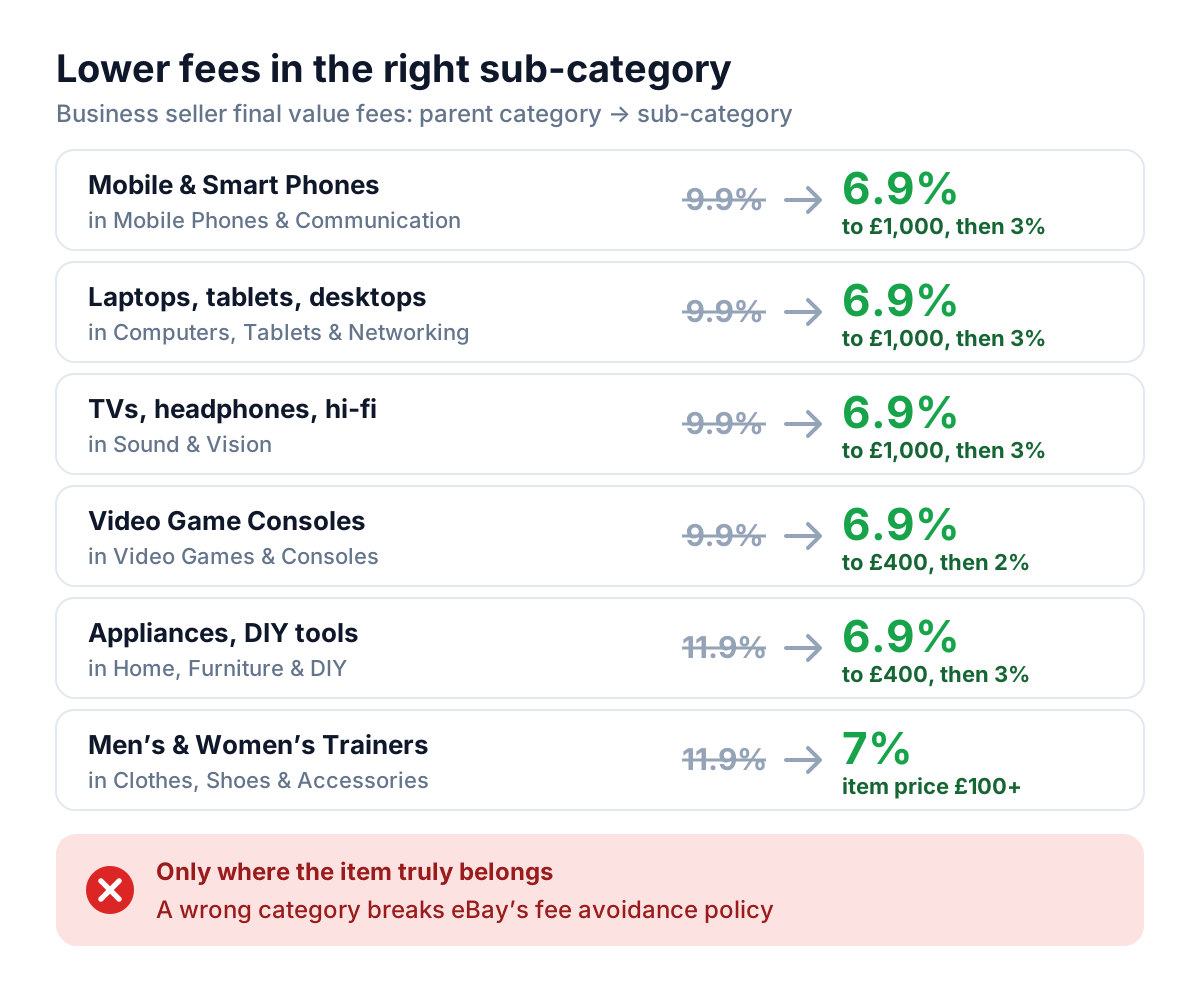
So price trainers at £100 rather than £99: the whole sale then pays 7% instead of 11.9%, because the threshold is on the item price excluding postage. And stick to one category: a second adds listing and upgrade fees in each, and you pay the higher of the two final value fees.
9. Get fees back on cancellations and refunds
When a sale unwinds, eBay's fee credits page gives fees back according to whose fault it was. A buyer-remorse refund earns the full credit only if it's a full refund, including the original postage.
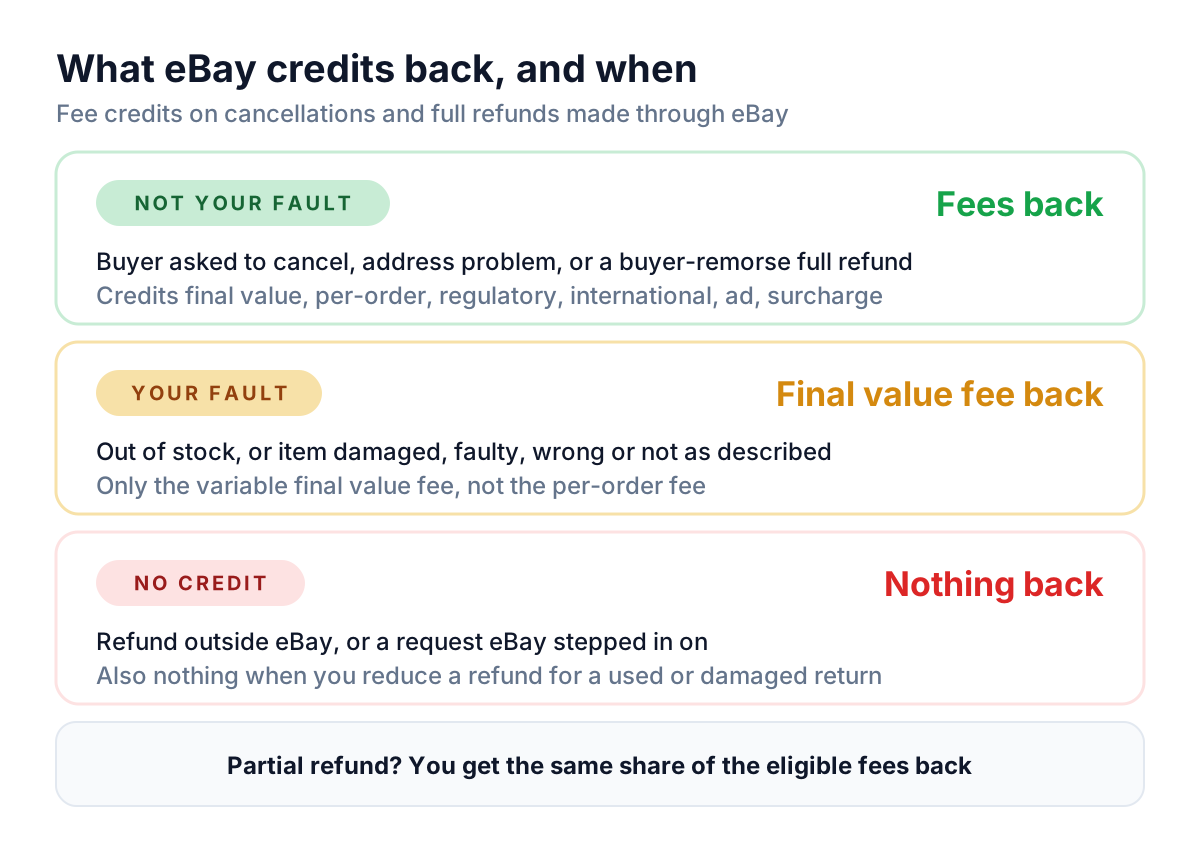
In eBay's own partial-refund example, a goodwill refund for sending the wrong size, you get a share of the final value, regulatory and Promoted Listings fees, but nothing for the per-order fee. Our fees guide has more on credits.
Don't lose credits you're owed
- Refund through eBay, never by bank transfer or PayPal.
- Resolve returns and "item not received" requests yourself before eBay steps in.
- Keep stock accurate: an out-of-stock cancellation costs you the per-order fee and a transaction defect.
- Use the true cancellation reason: a false "Buyer hasn't paid" cancellation breaks the fee avoidance policy.
- Relist with eBay's relist tool: if the item then sells, eBay credits the relist's listing fee, provided it's the first manual relist, within 90 days of the original ending, in the same format, with no higher start price and no reserve added.
10. Reclaim the VAT on your eBay fees
eBay adds 20% VAT to business fees. So for a seller who isn't VAT-registered, an 11.9% fee really costs 14.28%, the £0.40 per-order fee £0.48 and the 0.35% regulatory fee 0.42%.
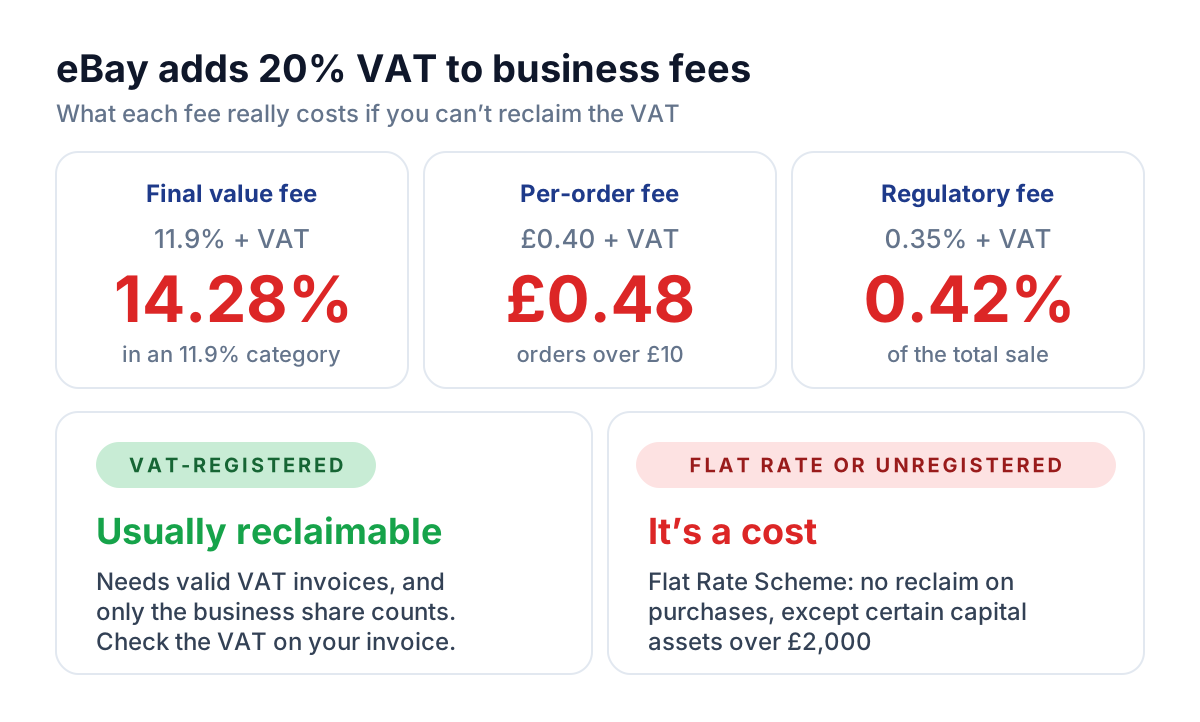
If you're VAT-registered you can usually reclaim it: GOV.UK's guidance requires valid VAT invoices, and only the business share of anything you also use personally counts. Check the VAT on your eBay invoice before you claim.
Two VAT caveats
On the Flat Rate Scheme you can't reclaim VAT on purchases, except certain capital assets over £2,000.
If you're not registered, registering voluntarily is a much bigger decision than fee VAT, because you'd then account for VAT on your sales. Our £90k VAT threshold guide and the VAT strategy calculator cover that choice.
Price with the fees built in
Whatever you can't cut, build into the item price. Adding it to postage won't help: the final value fee is charged on postage too, and eBay's fee avoidance policy bans excessive postage and passing seller fees on to the buyer.
In an 11.9% category, on orders over £10 with no ads, a seller who isn't VAT-registered pays eBay 14.7% of the total sale plus 48p, VAT included. So the total sale you need is (the amount you need left + £0.48) ÷ 0.853, where that amount covers stock, postage and profit.
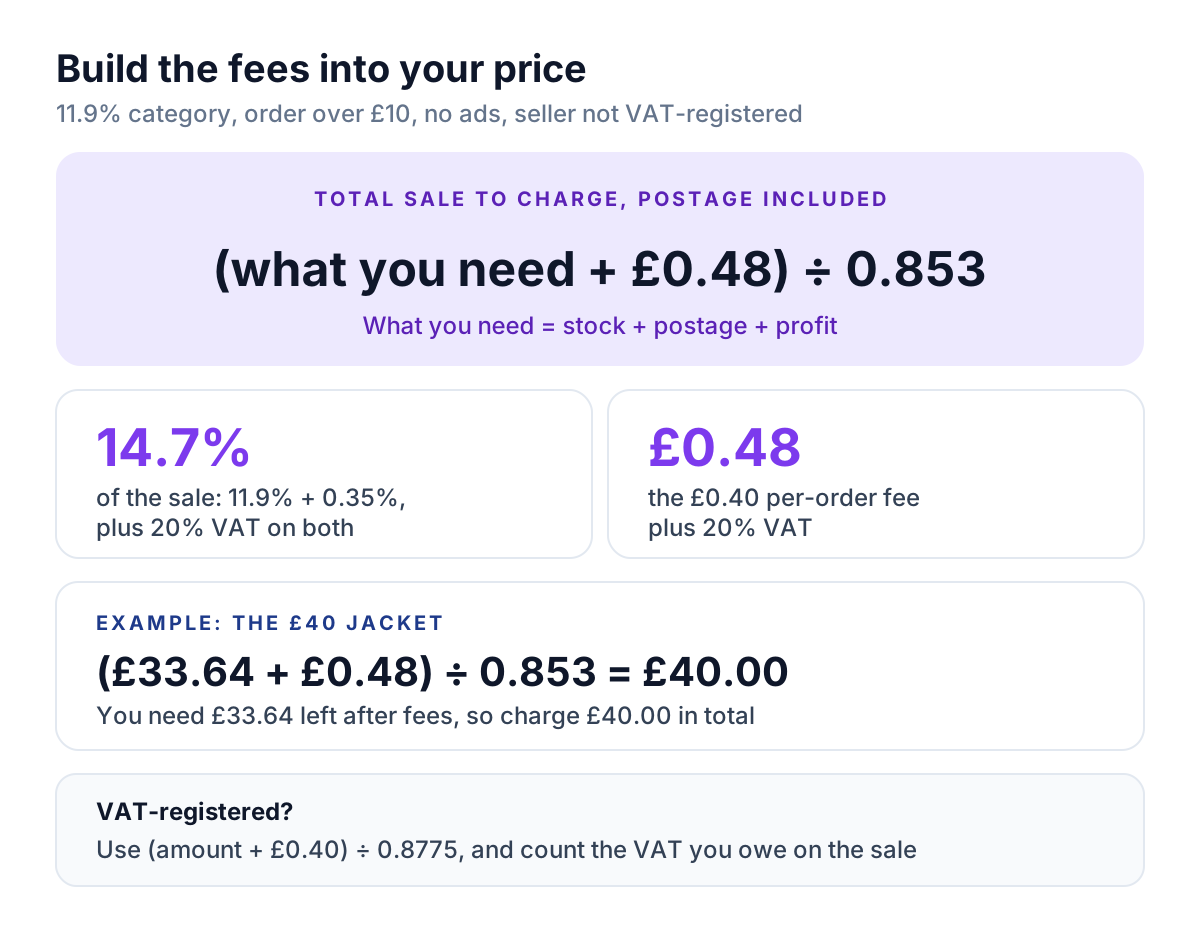
If you reclaim VAT, use (amount + £0.40) ÷ 0.8775 and count the VAT you owe on the sale in that amount. For other categories, try prices in the eBay fee calculator.
Fee 'hacks' that break eBay's rules
eBay's fee avoidance policy bans avoiding fees "whether intentional or not", with penalties up to account suspension. Skip all of these:
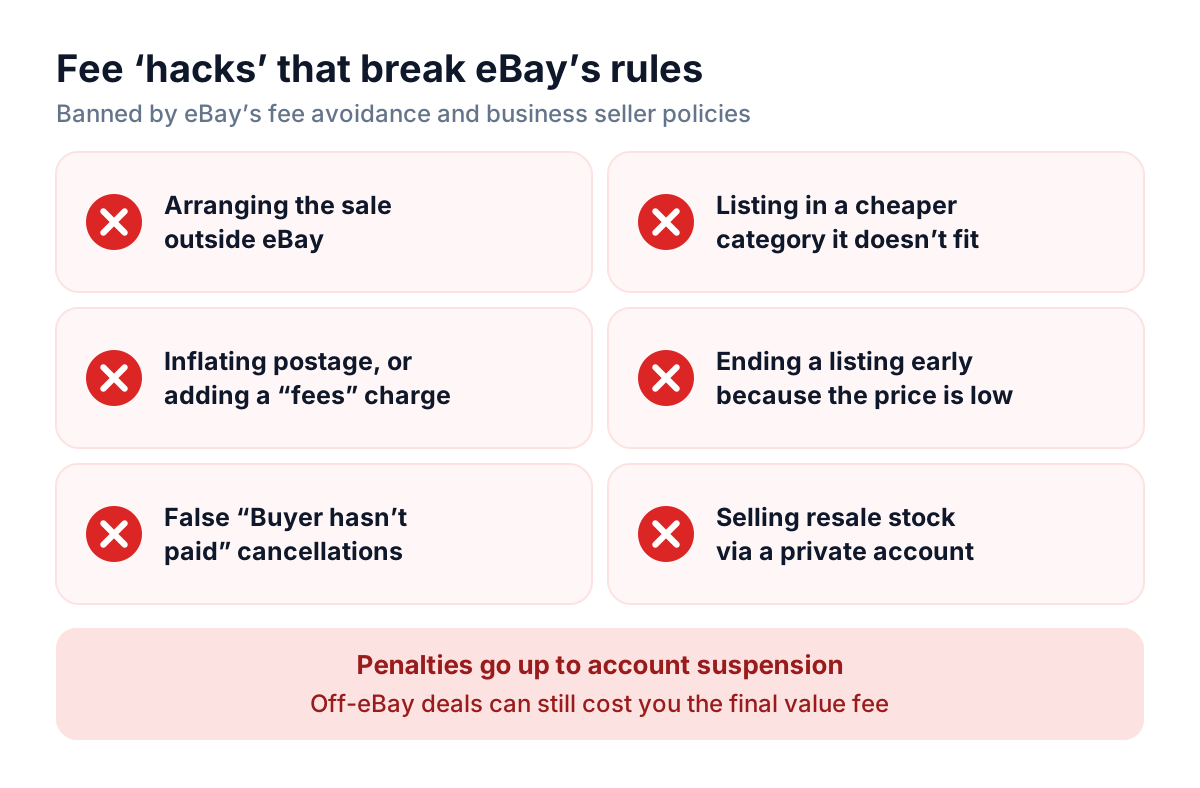
Cancelling bids because the price is too low and misusing a reserve price count too, and reselling through a private account breaks the business seller policy. If you share contact details to arrange a sale outside eBay, you can still owe the final value fee.
Reducing eBay fees: FAQ
How can I avoid paying the 11.9% fee as an eBay business seller?
You can't avoid it outright: 11.9% is the final value fee in Clothes, Shoes & Accessories and on the first £500 in Home, Furniture & DIY, charged on every sale including postage. You can cut it to 10.71% as a Top Rated Seller with Premium Service listings, use each item's most specific correct category, and avoid the Below Standard and INAD surcharges.
Does an eBay Shop lower my final value fees?
Not according to eBay's UK business fee page, which has one final value fee table and no Shop-tier rates. A Shop cuts listing fees instead: a £27 Basic Shop beats paying 30p a fixed-price listing once you list more than 90 a month.
Do I get my eBay fees back if I refund a buyer?
Yes, in full for a buyer-remorse refund through eBay that includes the original postage. If the item was damaged, faulty or not as described, you get the variable final value fee back but not the per-order fee. Partial refunds earn a proportional credit, and refunds made outside eBay earn nothing.
Can I add eBay's fees to my postage charge?
It won't help, and it can break the rules. The final value fee is charged on postage too, and eBay's fee avoidance policy bans excessive postage and passing seller fees on to the buyer, so put the fees into your item price.
Official sources
This guide was checked on 17 October 2026 against:
- eBay: fees for business sellers and fees for private sellers (both last updated 30 September 2026)
- eBay: fee credits
- eBay: seller standards policy and eBay Seller Centre: eBay Premium Service
- eBay: business seller policy
- eBay: fee avoidance policy and item description policy
- eBay: Promoted Listings and Promoted Listings overview
- eBay Seller Centre: eBay International Shipping
- eBay: offering combined postage and bundle discounts for sellers
- GOV.UK: reclaim VAT on business expenses and VAT Flat Rate Scheme